Back in 2020, when I started putting what I cooked online, not many people had heard of eating ancestrally In the six years I’ve been writing here and the five years I’ve been producing Ancestral Kitchen Podcast, the phrases ancestral diet, ancestral food and ancestral eating have become a lot more commonplace, Yet despite growing interest in traditional food, many people remain unsure exactly what an ancestral diet is.

I often get questions, such as: What’s the difference between ancestral and paleo? Does an ancestral diet include grains? What foods can you eat on an ancestral diet? And what did our ancestors really eat?
Their answers are more complex – and, often, more interesting – than many articles online and in books would have you believe. They also give each of us, no matter where we live, what our health goals are and how much money we have, a positive way out of our society’s unhealthy, industrial food world.
The ‘ancestral diet’, as I see it here at Ancestral Kitchen, is not a rigid set of rules, but a way of learning from the wisdom of food traditions that nourished generations before us. Rather than cutting food groups, worrying about calories or following the latest trend, this way of eating turns to traditional food cultures for its foundations, practises and inspiration.
In this guide, we’ll explore what an ancestral diet is, what foods it includes, how traditional peoples prepared their food, and how you can begin eating ancestrally in your own home.

Contents
- What Is the Ancestral Diet?
- Ancestral Diet Foods: What Can You Eat?
- Ancestral Diet Foods: A Historical Perspective
- What Did Our Ancestors Really Eat?
- Traditional Food Preparation Is Central to the Ancestral Diet
- Why Fermented Foods Matter in an Ancestral Diet
- Can Grains Be Part of an Ancestral Diet?
- Is the Ancestral Diet the Same as Paleo?
- What Does an Ancestral Diet Look Like in Practice?
- How to Start an Ancestral Diet
- Frequently Asked Questions
- Final Thoughts
What Is the Ancestral Diet?
The ancestral diet is an approach to eating based on traditional foods and traditional methods of food preparation. It does not prescribe a single list of approved foods. Instead, it asks us to consider and learn from how people ate before industrial food production transformed the food supply.
>> What is Ancestral Eating? (Ancestral Kitchen Podcast episode)
Not all traditional cultures around the world ate the same way. Scottish crofters, English farm labourers, Mediterranean villagers and Arctic hunters all ate different diets. Yet certain principles appear again and again:
- Real, minimally processed foods
- Seasonal ingredients
- Traditional animal fats
- Fermented foods
- Home cooking
- Time-tested methods of preparation
The ancestral diet is therefore best understood not as a set of rules but as a philosophy of food rooted in history, tradition and practical kitchen skills.

Ancestral Diet Foods: What Can You Eat?
One of the most common questions people ask is: what foods can you eat on an ancestral diet?
No traditional food group is excluded, which means the answer is surprisingly broad.
Animal Foods
- Meat
- Fish and shellfish
- Eggs
- Organ meats
- Bone broths and stocks >> Bones & Water: The Magic of Stock (Ancestral Kitchen Podcast episode)

Dairy Foods
- Milk
- Cream
- Butter
- Cheese
- Yoghurt
- Kefir
Vegetables and Fruit
Fresh, seasonal produce formed an important part of many traditional diets. Depending on the season, foods were eaten fresh, dried, fermented or preserved.
Grains and Legumes
- Oats
- Wheat
- Rye
- Barley
- Peas
- Beans
Contrary to popular belief, grains and legumes have played important roles in many traditional diets. But they were rarely eaten as they are today – ancient varieties were standard and special preparation methods, which we can easily recreate in our modern kitchens – were employed to make them more nutritious.
>> Baking with Ancient Grains (free 30-page downloadable guide)
Traditional Fats
- Butter
- Tallow
- Lard
- Dripping

>> The Fats We Love, The Fats We Leave (Ancestral Kitchen Podcast episode)
Ancestral Diet Foods: A Historical Perspective
The Industrial Revolution began in the UK in the late 1700s. Ancestral food encompasses the food ways and traditions that came before it. Many modern discussions of ancestral eating focus almost exclusively on what stone-age man ate, missing the nigh on 5,000 years between the end of pre-history and the beginning of industry. In those 5,000 years our ancestors practised local, sustainable food ways that enabled their communities to thrive.
Fermented foods, slow-cooked stocks, nose-to-tail eating, saturated fat and sourdough – these were routinely part of traditional food cultures right up until industrialisation.
Over that time, there was never a single ancestral diet. Instead, there have been countless ancestral diets shaped by climate, geography, culture and available ingredients.

What Did Our Ancestors Really Eat?
Our ancestors ate what was available to them – the land shaping their diets.
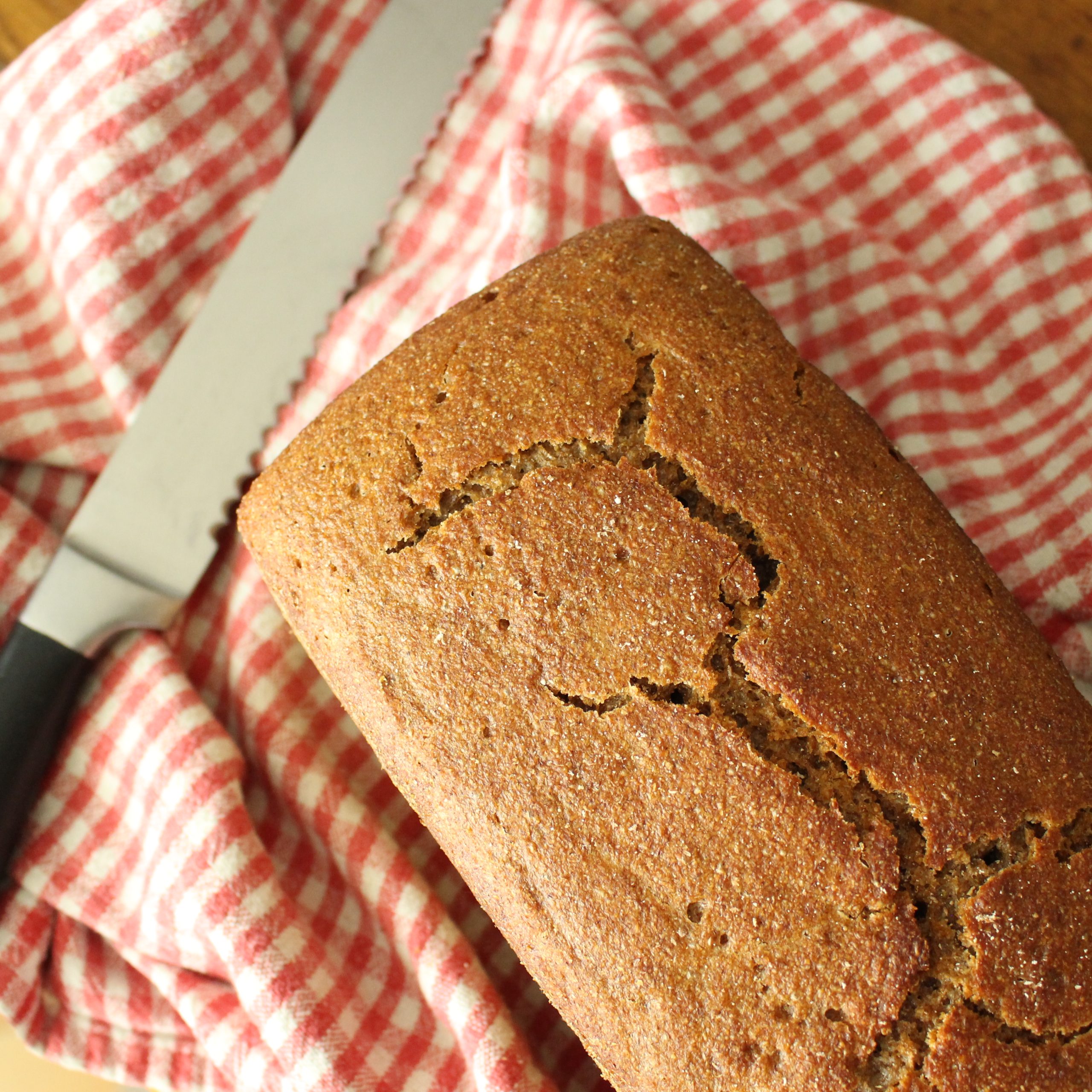
In Scotland, oats formed the foundation of daily life for centuries – porridge and oatcakes sustaining generations of families. In parts of northern Europe, sourdough rye breads were staple foods. Across much of the Mediterranean, bread, legumes and dairy products featured prominently.
Most traditional diets included a mixture of plant and animal foods. Meat was often valued and celebrated, but in many communities it was eaten less frequently than modern assumptions suggest.
The ancestral diet is about recognising the common threads that connect traditional food cultures around the world: real food, careful preparation, seasonal eating and practical kitchen wisdom.
Traditional Food Preparation Is Central to the Ancestral Diet
When people discuss ancestral diet foods, they often focus on ingredients. Traditional cultures, however, paid equal attention to preparation. Their methods included:
- Fermenting
- Soaking
- Sprouting
- Culturing
- Slow-cooking
- Drying and preserving

A traditional sourdough loaf differs significantly from a modern industrial loaf. Likewise, a long-cooked bone broth is a different food to a powdered stock cube.
Understanding these methods helps us appreciate that the ancestral diet is about more than simply choosing different ingredients.
Why Fermented Foods Matter in an Ancestral Diet
Fermentation appears repeatedly in traditional food cultures around the world.
Milk became yoghurt and cheese. Vegetables became pickles and sauerkraut. Grains became sourdough breads and porridges.
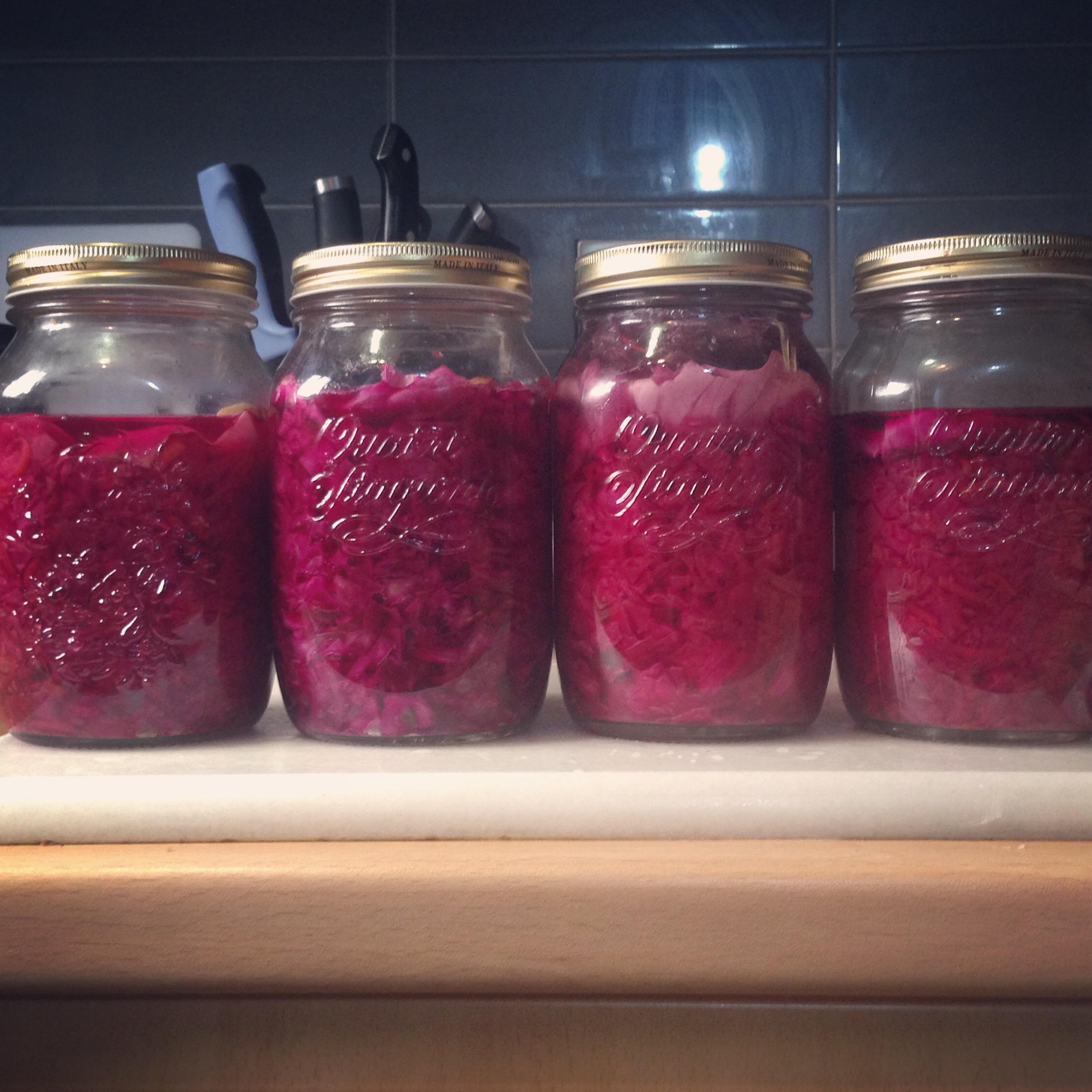
Fermentation preserved precious food harvests, improved flavour and made food more digestible, Cheese and salami are just two examples of how it also created entirely new culinary traditions.
>>What We’re Fermenting Right Now (Ancestral Kitchen Podcast episode)
Can Grains Be Part of an Ancestral Diet?
Yes. History tells a much more nuanced story than many modern diet debates.
Many traditional societies relied on grains as staple foods. Oats sustained much of Scotland. Millet was integral to many communities in Africa and Eastern Europe. Heritage wheat featured prominently across the Mediterranean and Middle East.
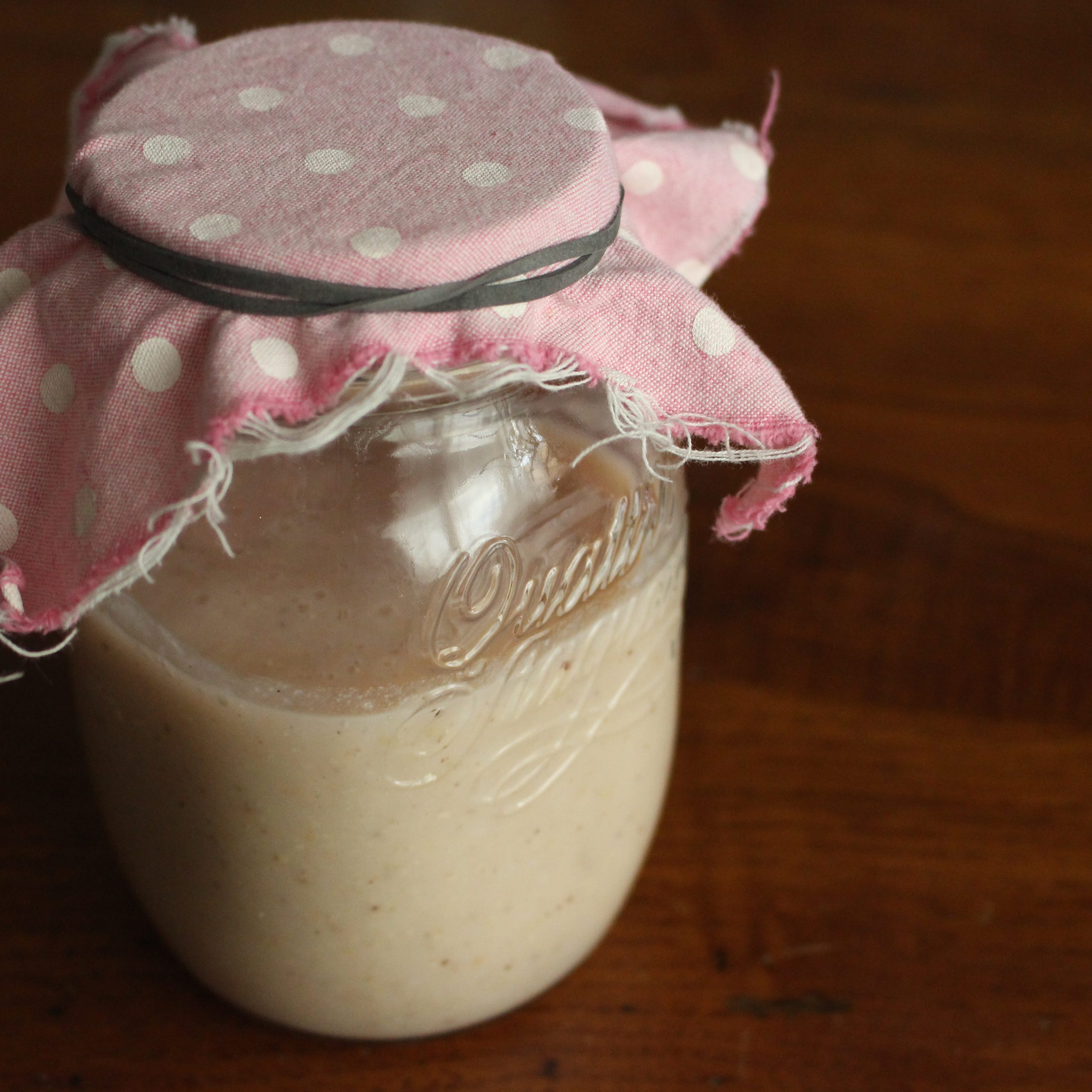
The much more useful question to ask is not whether grains were eaten, but how they were prepared.
>> Baking with Ancient Grains (free 30 page PDF with instructions and five recipes!)
Is the Ancestral Diet the Same as Paleo?
No. While the two approaches overlap in some areas, they are not identical.
Many traditional cultures consumed dairy foods, grains and legumes.
The ancestral diet draws inspiration from a wide range of traditional food cultures rather than attempting to recreate a single prehistoric menu.
What Does an Ancestral Diet Look Like in Practice?
An ancestral diet can be a lot simpler than you may imagine. Here’s an example of what’s eaten in my house:
Breakfast
Sourdough porridge topped with soaked nuts/seeds, cream with optional seasonal fruit.
Midday meal
A slow-cooked beef stew served with ancient grain sourdough bread.
Supper
Eggs scrambled in lard, millet cooked in bone broth, seasonal salad.
Snacks
Cheese, oatcakes spread with butter, soaked nuts/seeds, seasonal fruit.

An ancestral diet is nutrient-dense, delicious and satisfying – yet it need not be complicated. Leftovers regularly feature in our meals and foods are often repeated. The aim is not perfection or historical re-enactment. The goal is to bring traditional food wisdom into modern life.
>> A Week of Ancestral Meals: What We Really Ate (Ancestral KItchen Podcast episode)
How to Start an Ancestral Diet
Many people ask me this question! I like to suggest picking one thing that appeals to you and starting there. Below is a list of places you could begin, each followed by a resource of mine which will help you get going:
- Learn to make stock >> Bones & Water: The Magic of Stock (Ancestral Kitchen Podcast episode)
- Create a sourdough starter and learn how to bake a loaf >> Make & Maintain a Rye Sourdough Starter (pay what you can mini-course)
- Ferment some vegetables >> Super-Simple Sauerkraut Recipe (blog post)
- Cook more meals from scratch. >> Preparing Nutrient-Dense Meals from Scratch Every Day (Ancestral Kitchen Podcast episode)
- Replace ultra-processed snacks with traditional foods (blog post coming soon!)
- Swap out industrial seed oils for traditional fats >> How to Render Fat at Home (with Q&A) (Ancestral Kitchen Podcast episode)
- Ferment your morning oats >> The Best Way to Soak Oats (blog post)
Small steps are the key to making sustainable change. If you’d like a guide to help you get started, download 20 Small Steps to an Ancestral Kitchen from the top of any page on website of the show I co-host, Ancestral Kitchen Podcast.

Frequently Asked Questions About the Ancestral Diet
Is the ancestral diet the same as the paleo diet?
No. The ancestral diet takes a broader historical view and includes many foods that traditional cultures ate, including dairy products, fermented grains and legumes.
Can you eat grains on an ancestral diet?
Yes. Many traditional cultures relied heavily on grains such as oats, rye, barley and wheat. Traditional preparation methods were often as important as the grains themselves. >> All About Grains: Preparing, Processing & Digesting! (Ancestral Kitchen Podcast episode)
Is sourdough part of an ancestral diet?
Absolutely. Sourdough is one of the oldest and most widespread traditional methods of grain preparation.
Can you eat dairy on an ancestral diet?
Many traditional cultures consumed dairy foods, particularly butter, cream, cheese, yoghurt and other cultured dairy products. They traditionally ate non-pasteurised milk >> Raw Milk: Our Ancestral Heritage (Ancestral Kitchen Podcast episode)
Are potatoes part of an ancestral diet?
Yes. Potatoes have nourished traditional communities for centuries and fit comfortably within an ancestral approach to eating.
Can you eat rice on an ancestral diet?
Yes. Rice has sustained traditional societies across Asia for thousands of years and remains one of the world’s most important staple foods.
What foods should be avoided on an ancestral diet?
Most people focus on minimising ultra-processed foods, industrial seed oils, sugary soft drinks and highly refined snack foods.
Do I need to make everything from scratch?
Although we can all get passionate about making change, trying to do everything at once is, as I know, a recipe for disaster! Start with one practice such as making broth, baking sourdough or fermenting vegetables and build gradually.
Final Thoughts: What Is the Ancestral Diet Really About?
At its heart, the ancestral diet is about learning from the generations who came before us.
It is not a rigid meal plan; there is no list of forbidden foods.
Rather, it encourages us to explore traditional foods, traditional preparation methods and traditional kitchen skills.
Whether that means baking sourdough, making broth, fermenting vegetables, cooking with traditional fats or rediscovering regional food traditions, the goal is the same: to bring the wisdom, joy and flavour of real, ancestral food into our modern kitchens.

More Resources:
Ancestral Kitchen Podcast has over 130 episodes focusing on all aspects of eating ancestrally in our modern-world kitchens.
If you’d like some recipe inspiration, check my stash here.
The Ancestral Kitchen Challenge is a fun, no pressure way to explore an ancestral diet, giving you achievable goals to work at in your kitchen.

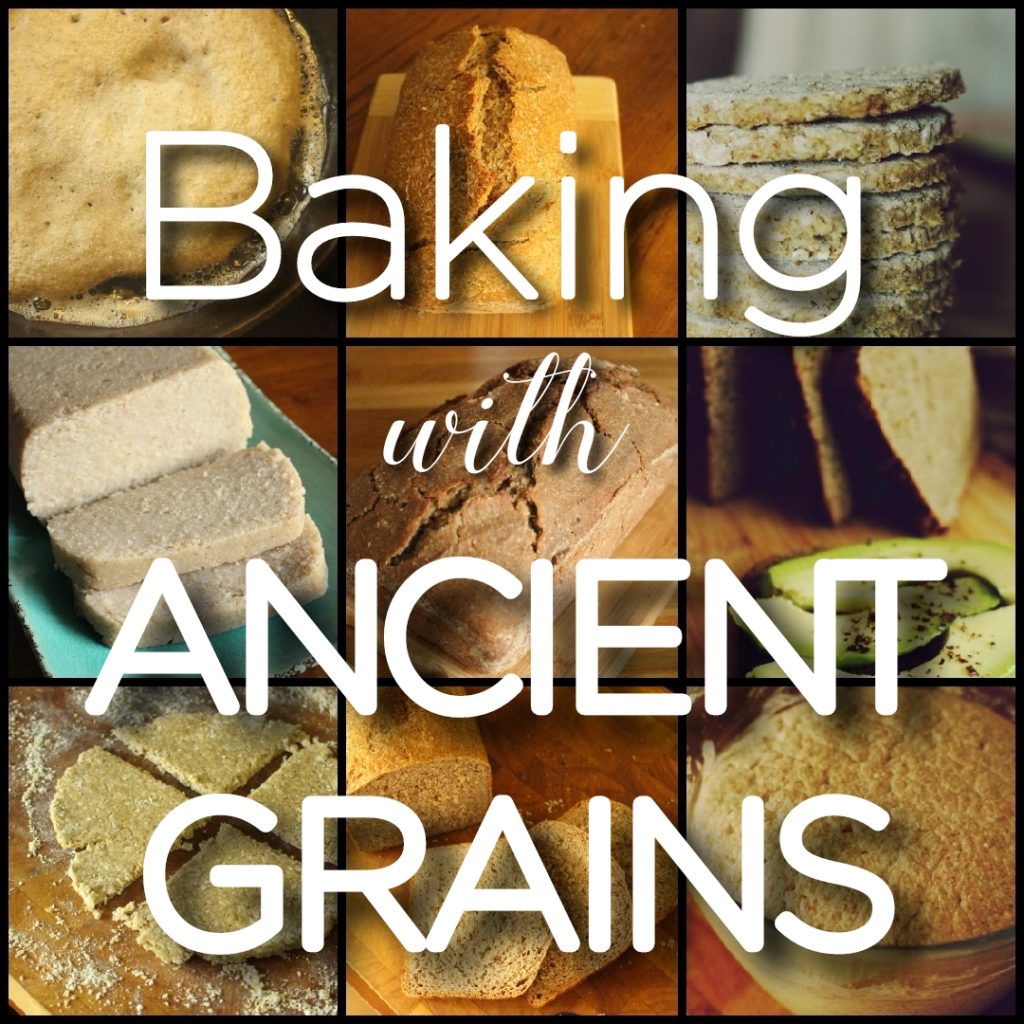
Bring ancient grain baking into your kitchen!
Download my free 30-page guide with five healthy and tasty 100% ancient grains recipes.